







Search Results for: coffee expenses
Why Is Kopi Luwak So Expensive? Inside the Production Process and Scarcity of Indonesian Civet Coffee
In Java, Sumatra, Bali, and Sulawesi in Indonesia, Kopi Luwak is a highly distinctive traditional beverage. The raw material for this coffee comes from beans excreted by civets after they eat coffee cherries, and because it is difficult to obtain and the processing is cumbersome, the yield is extremely low. Indonesian pavilion staff member Shengzhen introduced that farmers will keep civets in cages, and some merchants even rent an entire island to let them range freely, but they cannot force them to eat or excrete, so the coffee beans obtained are especially precious. Only about 500 pounds are produced globally each year. After multiple strict hygiene processes such as sun-drying, roasting, and brewing, the finished coffee has a unique aroma, and the price is naturally high. The site also demonstrated the distillation method: 12 grams of Kopi Luwak with 50 to 55 grams of water produces the richest result, and the remaining coffee grounds are smooth with no small holes. At the Expo Indonesian pavilion, a 4-ounce cup of Kopi Luwak is priced at US$168, 20 grams costs 380 yuan, and a cup in Hong Kong also costs 220 to 298 yuan, which shows just how expensive it is. [more…]
Exploring the World's Most Expensive Coffee: The Origins, Production Regions, and Brewing Methods of Indonesian Kopi Luwak
Kopi Luwak, officially known as Kopi Luwak, is a highly talked-about traditional specialty from the Indonesian archipelago. Its raw material comes from beans excreted by wild civets after eating coffee cherries. Annual production is only about 500 pounds, the production process is complex and requires strict hygiene handling, and the finished product has a unique aroma, which is why the price is astonishing—a 4-ounce cup can sell for $168. This article will guide you through Kopi Luwak's origin and distribution, how it is obtained, the details of brewing and extraction, and its display at the Indonesia Pavilion at the World Expo, while also preserving related recommendations from the Front Street brand. [more…]
Top Ten Most Expensive Coffees in the World: Kopi Luwak, Blue Mountain, and Hacienda La Esmeralda Geisha Lead the List
Coffee, as a globally beloved beverage, spans an enormous price range, from everyday affordable to jaw-droppingly expensive. This article rounds up the ten most expensive coffees in the world, from Kopi Luwak at $160 per pound to Puerto Rico's national treasure coffee at $24 per pound, introducing each one's origin, flavor characteristics, and price. Whether you're a coffee enthusiast or a curious reader, this list gives you a glimpse into the rarity and allure of top-tier coffee. At the same time, the article also retains related recommendations from the Front Street brand for readers' reference when making purchases. [more…]
Top Ten Most Expensive Coffee Beans | Blue Mountain Coffee vs. Kopi Luwak: Which Is Better? Is Panama Geisha a Higher Grade? What Makes Indonesian Golden Mandheling So Expensive?
For more specialty coffee knowledge, please follow: Front Street Coffee (Frontsteet Coffee) Different varieties of coffee have different aromas and flavors, and especially for those who truly love drinking coffee, enjoying a cup of top-quality coffee is an incredibly pleasant experience. Friends who drink coffee all [more…]
Is the price of top-tier Darjeeling second flush tea estates expensive? How much is a reasonable price for a catty of black tea?
Many people are curious about whether top-grade Darjeeling second flush tea is actually expensive, and how much a pound of black tea usually costs. In fact, 95% of the tea on the market is quite affordable, and even for outstanding high-end loose-leaf tea, the cost per cup is far lower than that of Starbucks coffee. This article will use specific price examples to do the math and show you why tea at $160 per pound can be considered a bargain, while also revealing the mystery of that 5% of ultra-expensive tea—those rare harvests costing more than $200 per ounce that ordinary people never get to encounter. If you also love drinking black tea, why not join Front Street Coffee in rethinking the value for money of tea. [more…]

Yangyuan Beverage's first-half revenue slightly declined, the challenge of over-reliance on its flagship Six Walnuts product remains unresolved.
With the familiar advertising slogan "For frequent brain use, drink Six Walnuts," Yangyuan Beverage once turned Six Walnuts into a phenomenal hit product in the plant-based protein beverage sector. However, its parent company has faced sustained pressure on performance in recent years. According to its 2024 semi-annual report, Yangyuan Beverage's revenue in the first half of the year was approximately 2.942 billion yuan, a slight year-on-year decline, while net profit grew against the trend. The market reacted negatively, with the stock hitting the daily limit down on the day the semi-annual report was released. For a long time, Yangyuan Beverage has followed a "heavy marketing, light R&D" approach, with advertising spending far exceeding R&D expenses. Today, Six Walnuts, which contributes more than 90% of revenue, is struggling to grow, and the new Yangyuan Plant Milk series generates revenue only in the million-yuan range. This article will analyze Yangyuan Beverage's difficulties and challenges from the perspectives of performance data, marketing and R&D investment, and product structure. [more…]
The Logic Behind Coffee Bean Pricing: How Variety, Grade, and Yield Affect Price, and Whether Expensive Equals Better Taste
It is often said that you get what you pay for, but in the world of coffee, can a higher price really be equated directly with better quality? At Front Street Coffee's shop, we once had a customer ask, staring at the 75-yuan Emerald Red Label, "Is it really tastier than a 30-yuan ordinary pour-over?" To answer this question, we first need to understand the underlying logic of coffee pricing. There are three main core factors affecting coffee bean prices: first, variety—Arabica and Robusta differ significantly in cultivation difficulty and yield; second, green bean grade—each producing country grades beans based on size, altitude, or defect rate; third, yield—take Jamaican Blue Mountain and Panamanian Geisha as examples, where rarity can drive prices up substantially. But a price tag cannot decide for consumers whether a cup of coffee suits their taste, as evidenced by a regular at Front Street Coffee who, after trying Gold Label Geisha, exclaimed that it was too sour. This article will break down these factors one by one to help enthusiasts find the cup of good coffee that truly belongs to them. [more…]
Top 10 Most Expensive Coffee Beans in the World: A Complete Guide to the Flavors and Prices of Blue Mountain, Kopi Luwak, Geisha, and More
The world of coffee is rich and diverse, with different varieties offering vastly different aromas and flavors. For those who truly love coffee, being able to enjoy a cup of outstanding quality is undoubtedly a great pleasure. Names like Blue Mountain, Kopi Luwak, and Geisha are already well known, and they are not only unique in flavor but also staggering in price. Today, Front Street Coffee sorts out the world's ten most expensive coffee beans for you, in no particular order, guiding you through their stories, origin characteristics, and flavor profiles one by one, to see how many of them you recognize. [more…]
Indonesian Civet Coffee: The Origin Story of the World's Most Expensive Coffee and a Breakdown of Its Price Per Cup
When discussing the world's most expensive coffee, Indonesian-produced Kopi Luwak is sure to be on the list. This coffee is precious not only because of its scarce production, but also because its raw material source is extremely unique—it is actually obtained from the feces of civets. The civet feeds on coffee cherries, and the coffee beans it cannot digest are excreted with its feces. After collection, washing, drying, and light roasting, they finally become a finished product with a distinctive flavor. On islands such as Java, Sumatra, Bali, and Sulawesi, civet coffee is a local specialty. Today, its price per pound has exceeded 227 US dollars, with Japan and South Korea being the main consumer markets. Front Street Coffee will also take you on an in-depth look at the story and price trends behind this coffee. [more…]
Top Ten Most Expensive Coffees in the World: How Much Do Blue Mountain and Geisha Cost per Pound, and Why Isn't Kopi Luwak at the Top?
Coffee is a daily pick-me-up for many people, but did you know that some of the world's coffees are shockingly expensive? From Panama's Hacienda La Esmeralda Geisha to Indonesia's kopi luwak, and on to Jamaican Blue Mountain, these top-tier coffees not only have unique flavors but also come with rare origin stories and rigorous processing methods. Based on the ranking by the foreign financial website Finances online, this article introduces the ten most expensive coffees one by one, from highest to lowest global market price. Whether or not you have tasted them, these luxuries of the coffee world are worth knowing about. Front Street Coffee will also guide you through several of these classic offerings, so you can see exactly how much authentic Blue Mountain and Geisha cost per pound. [more…]

Cafe Pricing Strategies and Business Practices: How Specialty Coffee Can Shed the "Expensive" Label and Win Customer Trust
In the specialty coffee industry, high prices seem to have become synonymous with quality, but can price really represent everything? Starting from real-world cases, this article explores how coffee shops can price reasonably and how they can use professional service to help customers perceive the value of specialty coffee. The article analyzes the current pricing chaos in specialty coffee, points out the differentiated advantages of independent coffee shops versus chain brands, and emphasizes that the service experience is the key to winning customer trust. Whether you are a coffee professional or an enthusiast, you can gain practical insights into coffee shop management and product pricing. [more…]
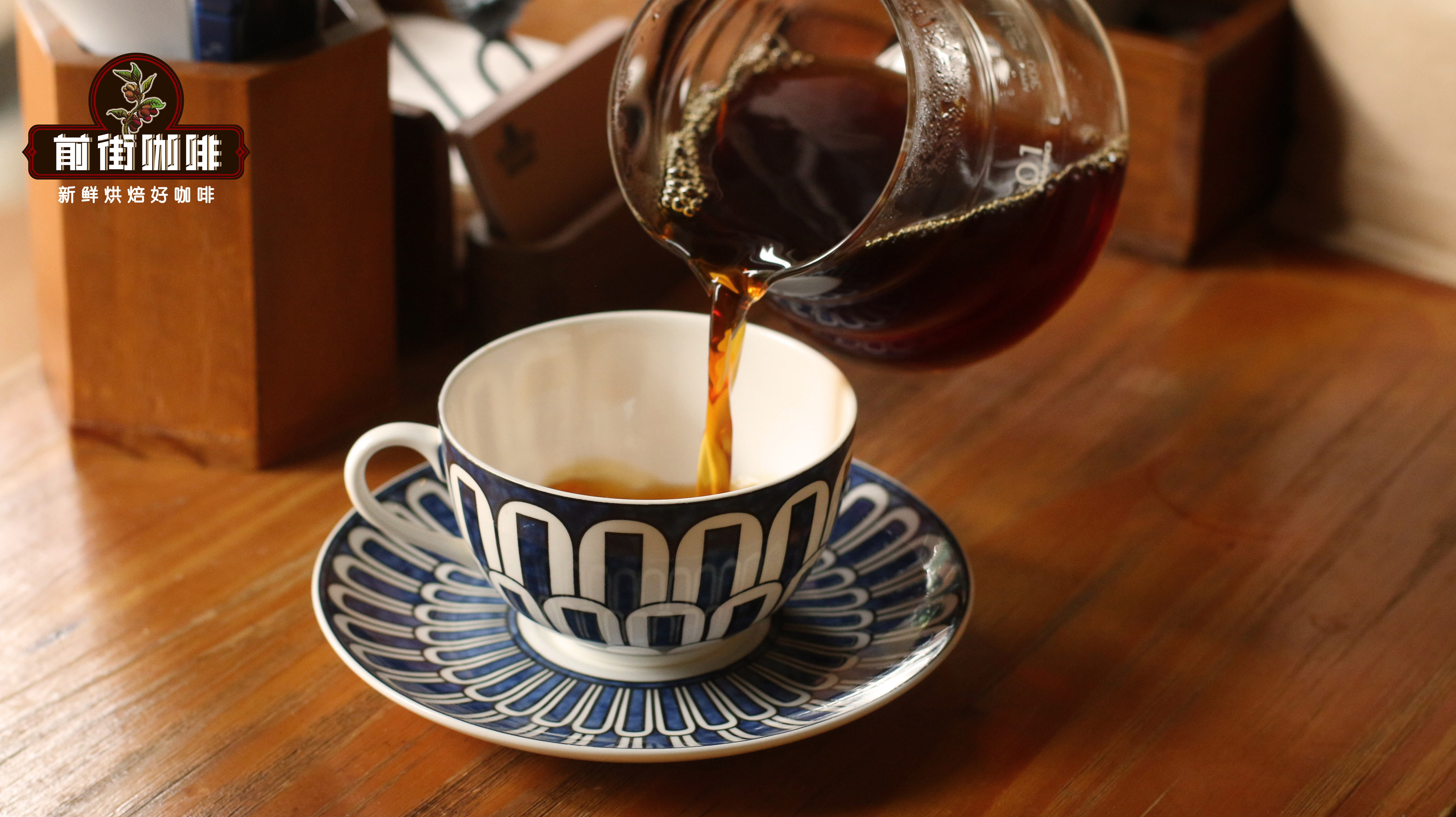
Jamaica Blue Mountain Coffee Origin, Flavor, and Taste Analysis: Why Authentic Blue Mountain Coffee Bean Brands Remain So Expensive
When it comes to coffee, many people first think of bitterness or acidity, but some coffees strike a balance between the two with a well-rounded mouthfeel, and Blue Mountain coffee is a prime example. Some have heard that Blue Mountain coffee has a sweet note, while others have never tried it because of its high price. What exactly does Front Street Coffee's Blue Mountain coffee taste like? Why is it so expensive? This article will provide a comprehensive analysis of the flavor characteristics and price factors of authentic Jamaican Blue Mountain coffee from the perspectives of origin altitude, varietal traits, harvesting difficulty, and grading, and will also share the brewing parameters and tasting experience of Front Street Coffee's Blue Mountain coffee, giving you an introduction to this world-renowned premium coffee. [more…]
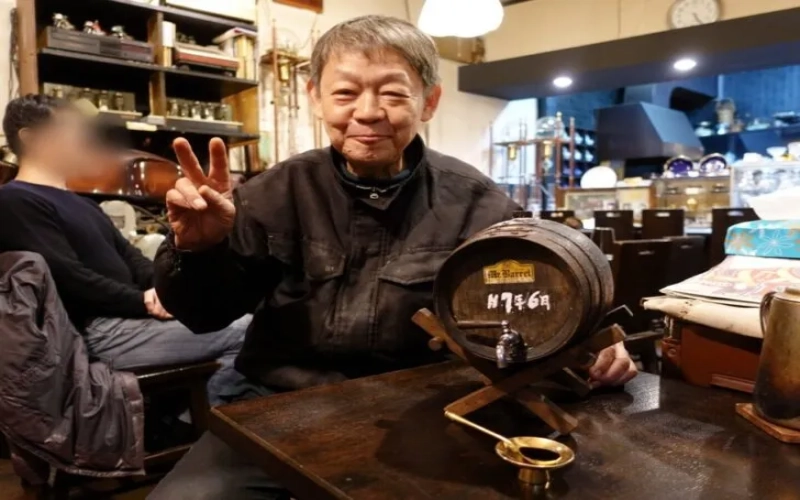
Unveiling Japan's Most Expensive Coffee: Aged 35 Years in Wooden Barrels, the Masterpiece of Mr. Tanaka's Dedication in Yao, Osaka
What is the most expensive coffee you've ever had? In Yao City, Osaka, there's a self-roasting shop called "The Münch," selling the most expensive coffee in all of Japan—the "Phantom Creation" low-temperature, long-term aged coffee. This coffee is made from aged beans stored for 15-30 years, deeply roasted, brewed with a flannel drip to create a 1:1 super-concentrated extract, then placed into special coffee wooden barrels and aged in a -3°C cold storage for 20-30 years. By that calculation, even the youngest coffee in the barrel has gone through 35 springs and autumns. 40ml sells for 100,000 yen, with a tasting price of 2,000 yen. What exactly does it taste like? And what kind of persistent shop owner stands behind it? Let's step together into Mr. Tanaka's world of coffee. [more…]
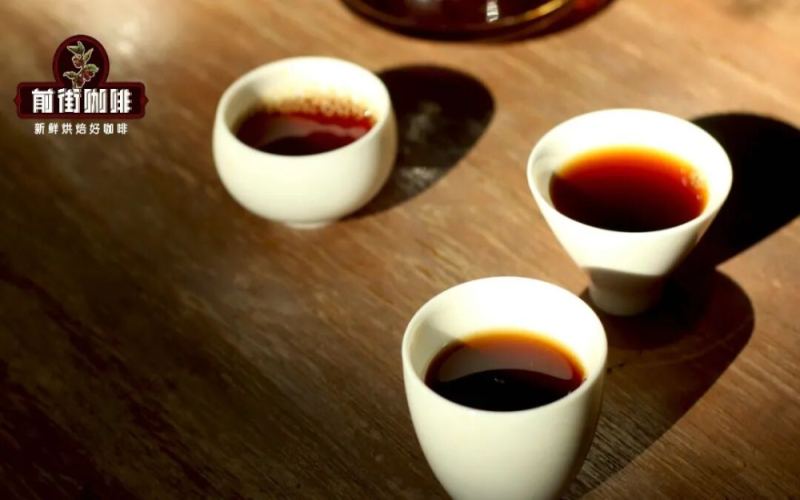
Is Coffee Better the More Expensive It Is? Analyzing the Pricing Logic and Flavor Relationship from Variety, Grade, and Yield
Many people are in the habit of directly equating "expensive" with "good," especially in the specialty coffee world, where price is often seen as synonymous with quality. But can whether a cup of coffee tastes good really be decided by its price tag? This article breaks down the causes behind price from three dimensions—coffee variety, green bean grade, and yield—and, combined with real consumption scenarios at Front Street Coffee shops, explores the true relationship between price and taste. Whether you prefer the acidic flavors of a light roast or the rich, mellow mouthfeel of a dark roast, there are in fact representative choices in every price range. After reading, you'll find that a high or low price is merely the result of market supply and demand and production standards, while the standard for a "good cup of coffee" ultimately depends on whether it suits your taste preferences. [more…]
Global Top Ten Most Expensive Coffee Beans List Revealed: Geisha Tops, While Kopi Luwak Takes Second Place
Coffee has long been woven into many people's daily lives—one cup is enough to chase away fatigue. Today, more than seventy countries around the world are engaged in coffee cultivation and production. As growing and processing techniques continue to advance, a dazzling variety of coffee types have emerged on the market, with prices spanning an extremely wide range. This article refers to the ranking by the overseas financial online platform Finances online and counts down the ten expensive coffees on the list according to global market prices from high to low. Among them are the internationally award-winning Panama Geisha, the controversial Indonesian civet coffee, and rare bean varieties from St. Helena, Hawaii, Brazil, Jamaica, and other origins. You may never have tasted them, but as a coffee lover, these names are worth knowing. [more…]
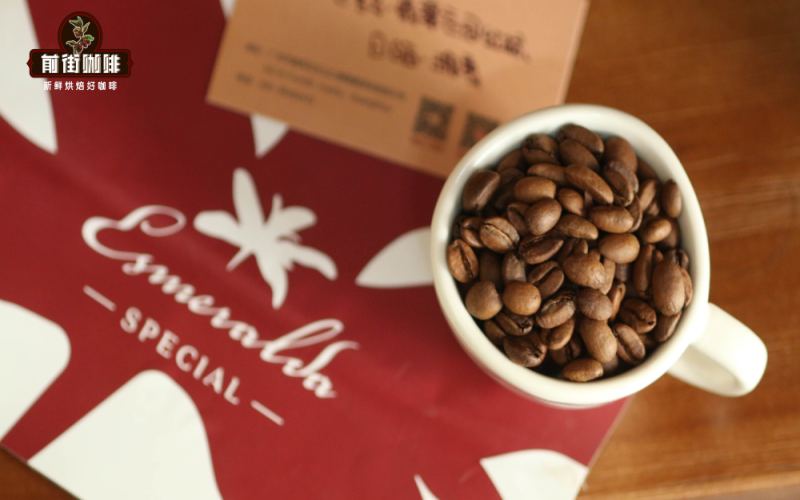
Panama Hacienda La Esmeralda Geisha Flavor Analysis and Pour-Over Guide: Why Geisha Is Expensive and Beginner Tips
Geisha coffee is often regarded as an excellent gift, and Front Street Coffee's Emerald Estate Geisha is especially beloved for its delicate aroma and rich layers. But why is Geisha always associated with "expensive"? This article provides a complete analysis of the flavor code of Panama Emerald Estate Geisha, from the growing environment, variety characteristics, and price grading to specific pour-over methods, and offers advice on whether it is suitable for beginners to drink, while also sharing the extraction parameters and steps used at Front Street Coffee stores. [more…]
A Global Roundup of Top Specialty Coffee Beans: Origins, Prices, and Flavor Stories of Six Expensive Varieties
In the world of coffee lovers, there are always some beans that command high prices due to their rarity, legendary status, or exceptional flavor. This article reviews six recognized expensive specialty coffee beans, from Indonesia's Kopi Luwak to Panama's Hacienda La Esmeralda Geisha, and Jamaica Blue Mountain, introducing their origins, reference prices, and the stories behind them one by one. Details covered include the COE competition results of El Injerto and Santa Ines estates, the connection between Saint Helena Island and Napoleon, and the production and marketing structure of Blue Mountain coffee. By reading this article, you can quickly understand why these top coffee beans are expensive, as well as their unique flavors and historical highlights. [more…]
A Roundup of the World's Most Expensive Geisha Coffee Estates: The Sky-High Legends of Ruby, Esmeralda, and Sophia
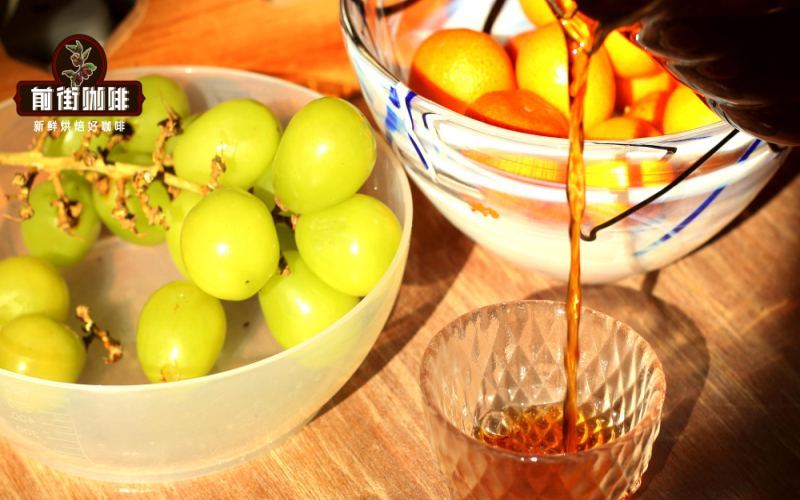
Geisha coffee is hailed as the crown jewel of the specialty coffee world, and the Geisha produced by several legendary estates in Panama has pushed prices to astonishing heights. This article will guide you through the origins, auction prices, and flavor characteristics of the world's most expensive Geisha coffee, including the 90+ Ruby Vanguard that broke $1,000 per pound, the Hacienda La Esmeralda Red Label that is a perennial winner at the BOP auction, and Finca Sophia, which set a high-price record on its very first competition entry. At the same time, we will also introduce several Geisha products worth watching under the Front Street Coffee brand, from top-tier auction beans to everyday daily-drinker options, satisfying the needs of different enthusiasts. [more…]
Why Is Kopi Luwak Coffee So Expensive? From Flavor Formation to Brewing Parameters, a Complete Guide to the Differences Between Civet Coffee and Regular Coffee
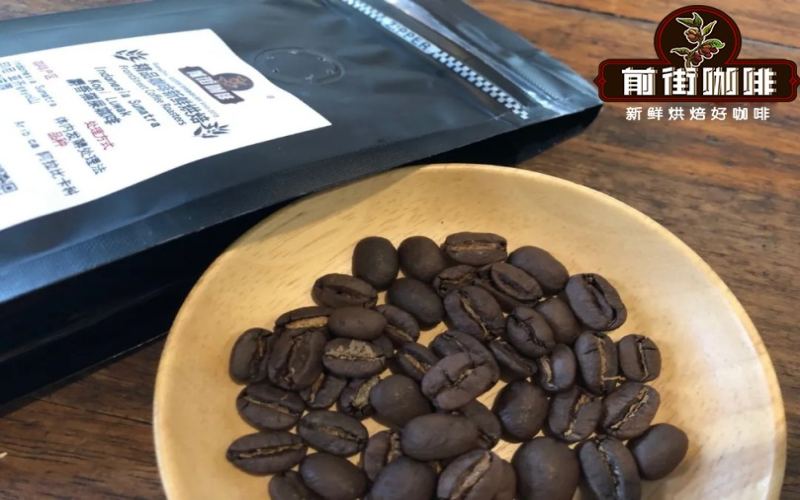
Kopi Luwak, scientifically known as civet coffee, is produced in Indonesia and is one of the most expensive coffee categories in the world. Around it, people often have three questions: where the name comes from, why it is so expensive, and whether there is any essential difference between it and ordinary coffee. This article will start from the plantation history of the 18th-century Dutch colonial period, explaining how the civet selects the ripest coffee cherries by smell, excretes them after internal fermentation, and then they are collected, washed, and roasted by locals, ultimately forming a unique flavor. At the same time, it compares the similarities and differences in flavor and effects between it and ordinary coffee such as Mandheling, and includes Front Street Coffee's roasting approach, KONO dripper brewing parameters, and bean rest recommendations, to help coffee enthusiasts gain a comprehensive understanding of this highly talked-about coffee. [more…]
Peru Andes Terra Nera Palm Civet Coffee: Origin, Production, and Harrods Release Details of the World's Most Expensive Coffee Beans
Terra Nera coffee beans are produced in the Quechua region in the southeastern Andes of Peru. Their value is greatly enhanced by the involvement of the palm civet (Uchunari) in processing, and they are recognized as one of the most expensive and rarest coffees in the world. Its annual output is affected by natural conditions and the state of the palm civets, and has sharply dropped from 70 kilograms to about 45 kilograms. It is divided into six grades, with the top Grade 0 being entirely hand-selected. These beans are sold only in limited quantities at Harrods in London, and must be roasted to order after reservation. Grade 0 even comes with English sterling silver decoration and a 24K gold-plated bag, with the name engraved by a silversmith. In terms of flavor, it is 100% Arabica, with notes of bitter cocoa, hazelnut, and dried leather. The mouthfeel shifts from light to buttery and silky, with a rich, mellow finish. Front Street Coffee will also continue to follow developments involving this kind of rare bean. [more…]